

How Nigerian Music Producers Work With Artists
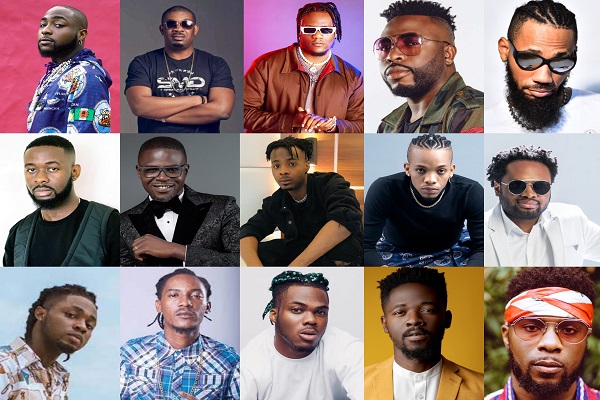
Behind many successful Nigerian songs is a creative partnership between an artist and a music producer. While performers often receive the most public attention, producers help shape the sound, arrangement, and overall direction of a recording.
In Afrobeats, these collaborations bring together different influences, including highlife, hip-hop, dancehall, R&B, and traditional African rhythms.
However, working together involves more than creating an instrumental. It can also involve production fees, creative decisions, songwriting contributions, ownership arrangements, and royalty agreements.
What Does a Music Producer Do?

A music producer oversees or contributes to the creative development of a recording. Their responsibilities may include creating beats, selecting sounds, arranging instruments, and guiding recording sessions.
Some producers develop entire instrumentals independently, while others collaborate with instrumentalists, songwriters, and sound engineers.
A producer’s contribution can influence the identity of a song. Their decisions about rhythm, tempo, melody, and arrangement help determine how the finished recording sounds.
How Do Nigerian Artists Find Music Producers?
Artists discover producers through studio networks, social media, industry recommendations, music platforms, and professional relationships.

Established performers may work with producers who already understand their musical direction. Emerging artists, however, often experiment with different collaborators to develop a distinctive sound.
Record labels and artist managers may also introduce musicians to producers whose experience aligns with a particular project.
What Happens When an Artist Works With a Producer?
The collaboration usually begins with a creative discussion about the song.
An artist may bring lyrics, a melody, or a musical reference. Alternatively, a producer may present an instrumental that suits the artist’s style.
Once they agree on the direction, the producer develops the beat and helps arrange its musical elements. The artist then records their vocals, while the producer may suggest adjustments to delivery, timing, and structure.
After recording, the project moves into mixing and mastering. These processes help balance the different audio elements and prepare the finished song for distribution.
How Do Music Producers Get Paid in Nigeria?
Payment arrangements depend on the producer’s experience, the project’s budget, and the agreement with the artist.
Some producers charge a fixed production fee, while others negotiate additional compensation through royalties or revenue-sharing arrangements.
Producers may also license beats to artists under specific conditions. These agreements determine how the instrument can be used and whether the license is exclusive or non-exclusive.
Paying a production fee does not automatically transfer every copyright associated with a recording. The parties must establish their ownership and licensing arrangements.
Do Music Producers Receive Credits and Royalties?
A producer’s payment and copyright interests are not necessarily the same thing.
Producers may have rights in a sound recording, while contributions to the melody, lyrics, or musical composition may establish additional songwriting interests.
The Nigerian Copyright Act 2022 recognizes musical works and sound recordings as distinct copyright categories.
A split sheet can document the agreed contributions and ownership percentages of songwriters and other relevant contributors. This helps prevent disagreements when a song begins generating revenue.
Why Are Music Producers Important to Afrobeats?
Producers such as Don Jazzy, Sarz, Pheelz, Kel-P, and Young Jonn have contributed to the development of contemporary Nigerian music through different production styles and artist collaborations.
Some have also expanded beyond studio production into performing, entrepreneurship, and record-label operations.
Their careers demonstrate that music production is an important professional pathway within the African music industry.
Ultimately, successful artist-producer relationships require both creative compatibility and clear business agreements. Understanding payments, credits, and ownership helps protect contributors while supporting stronger collaborations.
Check out our previous blog post on How Do Record Labels Work in Nigeria? A Guide.
Follow us: Instagram | TikTok | Linktree


Discover more from Afrobeats
Subscribe to get the latest posts sent to your email.


