

Amaarae Says Ghana’s Alté Scene Missed Its Moment: “Artists Weren’t Ready” in 2017
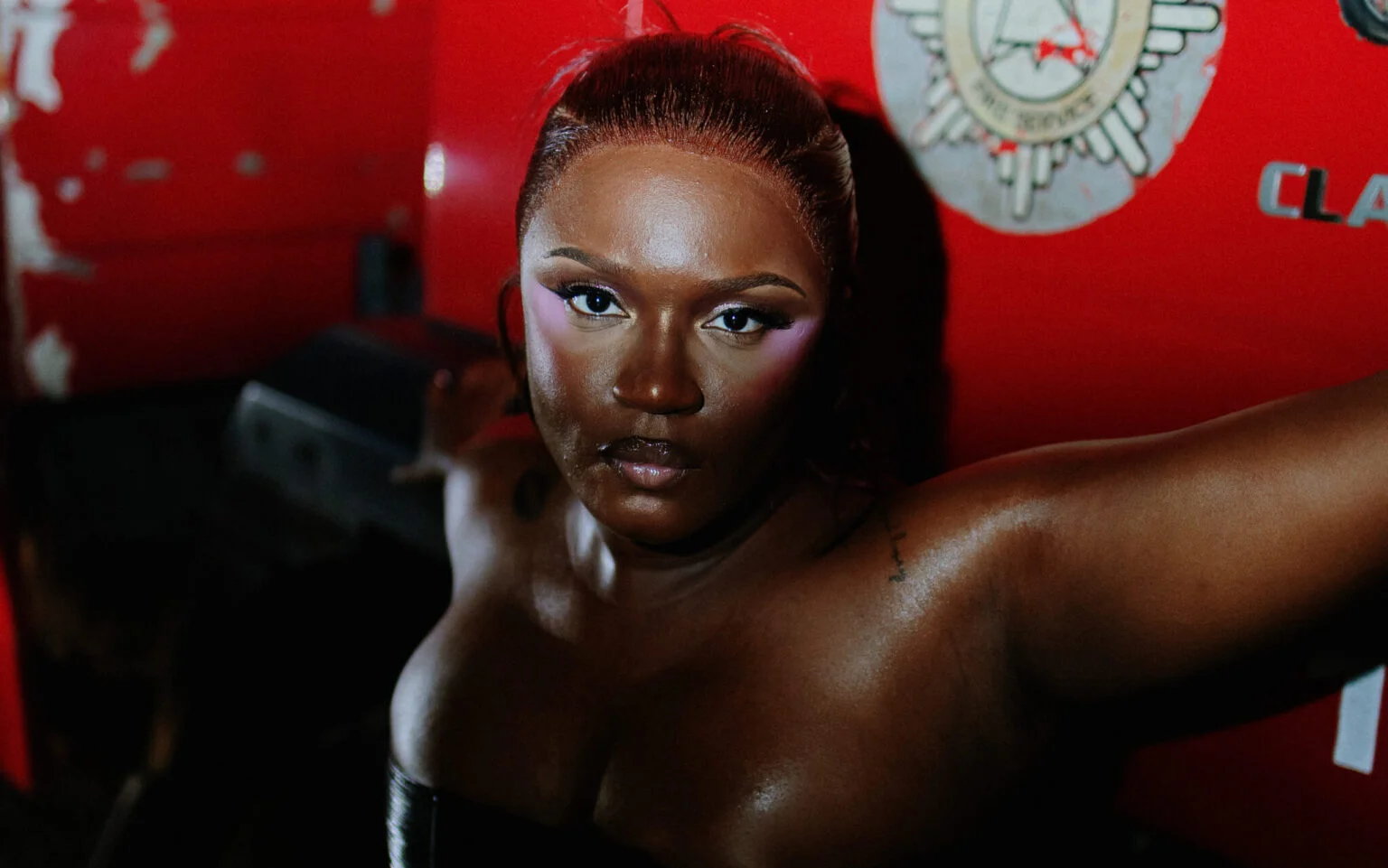
Global Ghanaian star Amaarae has reflected on the rise and decline of Ghana’s alté music scene, saying the movement missed its breakthrough moment in 2017 because many artists were not prepared for the demands of long-term success.
In a recent interview with Nana Kojo Mula, the “Angels in Tibet” singer looked back on what many fans consider the golden era of Ghana’s alternative music movement — a period driven by SoundCloud experimentation, genre-blending, and creative freedom.
While audiences embraced the shift, Amaarae believes the artists themselves were not fully ready for the work required to sustain the momentum.

“Artists Underestimated What It Takes to Scale a Career” – Amaarae
When asked whether enough was done to prepare the Ghanaian music market for change, Amaarae shifted the focus from fans to musicians.
“A lot of artists at that time underestimated how much work it takes to scale a career,” she said. “They underestimated the discipline, presence, and forward-thinking it takes to succeed in an industry that’s always evolving.”
According to Amaarae, success in music is not just about innovation — it requires consistency, adaptability, and strategic growth.
She added that when artists fail to push the culture forward, even a supportive audience can only do so much.
“Once the artists aren’t moving the culture and conversation forward, the audience can only do so much with what they’re given,” she explained.
Lessons From Ghana’s Alté Era Remain Unlearned
Amaarae’s assessment of the era was direct.
“No, I don’t think anything was learned from that period, sadly,” she said, suggesting the industry failed to fully absorb the lessons from the alté movement’s breakthrough.
Still, she expressed cautious optimism about the future, noting that there is still time for Ghanaian artists to apply those lessons and build sustainable global careers.
Amaarae’s Career Shows What’s Possible
As one of the most successful exports of the Ghana alté scene, Amaarae’s career includes Grammy nominations, global tours, and international collaborations — proof of what’s possible when creativity is matched with discipline and vision.
Her comments arrive as a new generation of Ghanaian artists navigate similar challenges, raising questions about whether the industry has truly learned from the alté era’s unrealized potential.


Discover more from Afrobeats
Subscribe to get the latest posts sent to your email.


